
Mohammad Iqbal Mir Wali Khan’s journey from a trauma surgeon in Afghanistan to the Special Projects Manager at the Multi-Cultural Health Evaluation Delivery System (MHEDS) in Erie, Pennsylvania, is a testament to resilience, adaptability, and an unwavering commitment to healthcare.
Born and raised in Afghanistan, Mohammad pursued his medical education with a focus on trauma surgery. His career path was driven by a deep desire to make a tangible difference in his country. As a trauma surgeon, he not only treated countless patients with life-threatening injuries but also collaborated closely with the U.S. Military. His work in field hospitals and clinics amidst a conflict zone earned him respect and recognition from both his colleagues and allies.
However, the political and security situation in Afghanistan took a drastic turn, and Mohammad’s life was about to change forever. “As the U.S. troops began to withdraw from Afghanistan in 2021, I faced the harsh reality that staying in my homeland could endanger my life,” he recalled. With a heavy heart, I made the difficult decision to leave Afghanistan and seek refuge in the United States.”
Arriving in the U.S. near the end of 2021, Mohammad found himself in a completely different world. The transition was challenging; he had to adapt to a new culture, a new language, and the realization that he could not practice as a surgeon in his new home. Despite these hurdles, Mohammad’s determination to contribute to the healthcare sector remained unshaken.
“I faced the harsh reality that staying in my homeland could endanger my life…”
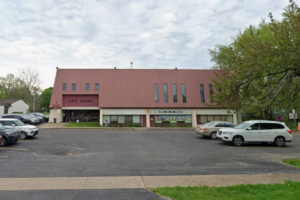
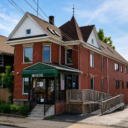
In Erie, Pennsylvania, Mohammad joined MHEDS, a healthcare organization dedicated to serving Erie’s multicultural community. MHEDS provides comprehensive healthcare services and social well-being, with a focus on culturally sensitive and equitable care. They are also Northwestern Pennsylvania’s sole provider of health screenings for new Americans, immigrants, and refugees. Recognizing Mohammad’s unique skills and experience, MHEDS appointed him as the Special Projects Manager.
Mohammad also became a vital part of the Multilingual Health Education Alliance, a nationwide initiative aimed at addressing childhood vaccine hesitancy among immigrants. His firsthand experience and deep understanding of the cultural and linguistic barriers faced by refugees made him an invaluable asset to the project. Leading the Afghan cohort, Mohammad worked tirelessly to create and disseminate vaccine information that was accurately translated, culturally relevant, and accessible.
“For most of the refugees from Afghanistan, immunization is a luxury,” Mohammad explained. “In many nations, protocols for things that Americans take for granted, such as immunizations, are not common and are very expensive. So when people arrive, the concept of receiving so many shots is not normal. We just don’t have that information in their languages.”
Throughout the year-long initiative, Mohammad’s leadership and dedication were evident. Working with parents, youth, public health professionals, clinicians, and resettlement staff from various newcomer communities from across the country, he engaged in numerous meetings and facilitated discussions that bridged cultural gaps. Mohammad and his team developed materials that addressed specific concerns and misconceptions about vaccines. These materials were then translated into the native languages of the target communities, ensuring that the information was both comprehensible and trustworthy. His efforts helped to build trust and foster a sense of community among the immigrants, ultimately contributing to higher vaccination rates and better public health outcomes.
What Mohammad Loves About Erie
- Welcoming Community: Mohammad appreciates the supportive and inclusive nature of the community in Erie, which has helped him feel at home despite being a refugee.
- Opportunity to Work in Healthcare: Mohammad quickly secured employment in the healthcare profession, which he finds fulfilling and significant.
- Diverse and United Workforce: He enjoys working at MHEDS in an environment where many nationalities are represented, which helps overcome language barriers and foster a sense of unity.
Mohammad’s journey is a powerful reminder of the impact one individual can have, even when faced with daunting challenges. His story is one of hope, perseverance, and the belief that everyone deserves access to quality healthcare, regardless of their background or circumstances. However, it is also a story that conveys a larger narrative of how Erie’s diverse immigrant communities can provide impact and make the place we call home more vibrant. As the Special Projects Manager at MHEDS, Mohammad Iqbal Mir Wali Khan continues to inspire. His story transcends borders and can help us all to overcome obstacles and see the best in one another.