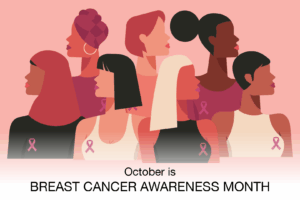



Women often juggle many responsibilities — work, family, caregiving, and everything in between. With so much focus on caring for others, it can be easy to put personal health last. Women’s Wellness Month is a reminder that taking time for preventive care, understanding your body, and supporting your mental health are essential steps toward long-term well-being. Small, consistent choices can help women feel stronger, healthier, and better equipped to manage life’s daily demands.
This month, MHEDS is focusing on four important areas of women’s wellness: preventive screenings, stress management, understanding perimenopause, and building healthy lifestyle habits. These topics affect women at every age and stage of life, and understanding them can help support both physical and mental health.
The Importance of Preventive Screenings
Preventive care plays a key role in maintaining women’s health. Routine screenings help detect potential concerns early, often before symptoms appear. Early detection can make treatment more effective and help prevent more serious complications.
Common preventive screenings for women may include:
- Annual wellness exams
- Blood pressure and cholesterol checks
- Breast cancer screenings such as mammograms
- Cervical cancer screenings such as Pap tests
- Diabetes screenings when appropriate
- Bone health screenings later in life
These visits are also an opportunity to discuss reproductive health, menstrual changes, family planning, and any concerns about mental or physical wellness. Preventive care is not only about identifying problems — it’s about building a relationship with a healthcare provider and creating a plan that supports long-term health.
Stress Management for Busy Women
Women often carry multiple roles at once, which can lead to ongoing stress. While some stress is normal, long-term stress can affect sleep, mood, energy levels, and overall health. It can also contribute to headaches, digestive issues, and difficulty concentrating.
Managing stress does not require major lifestyle changes. Small steps can make a meaningful difference:
- Taking short breaks throughout the day
- Practicing deep breathing or mindfulness
- Getting regular physical activity
- Setting boundaries around time and commitments
- Prioritizing sleep whenever possible
- Talking with a trusted friend, family member, or professional
Recognizing stress and taking steps to manage it supports both mental and physical wellness. When stress is addressed early, it can help prevent burnout and improve overall quality of life.
Understanding Perimenopause
Perimenopause is a natural stage of life that occurs before menopause, often beginning in a woman’s 40s but sometimes earlier. During this time, hormone levels begin to change, which can lead to a variety of symptoms. These changes are normal, but they can sometimes be confusing or unexpected.
Common symptoms of perimenopause may include:
- Irregular menstrual cycles
- Hot flashes or night sweats
- Mood changes
- Sleep disturbances
- Changes in energy levels
- Difficulty concentrating
Every woman’s experience with perimenopause is different. Some notice only mild changes, while others experience more noticeable symptoms. Understanding what is happening in the body can help women feel more prepared and confident navigating this stage of life. Speaking with a healthcare provider can also help identify ways to manage symptoms and maintain overall wellness.
Healthy Lifestyle Habits for Women
Healthy habits support women’s wellness at every age. While it can be difficult to change everything at once, focusing on small, consistent choices can have long-term benefits.
Helpful lifestyle habits include:
- Eating balanced meals with fruits, vegetables, whole grains, and protein
- Staying physically active in ways that feel manageable and enjoyable
- Drinking enough water throughout the day
- Prioritizing sleep and rest
- Limiting alcohol and avoiding tobacco use
- Taking time for self-care and mental wellness
These habits not only support physical health but can also improve mood, energy, and resilience. Building routines that fit into daily life makes it easier to maintain them over time.
Taking the Next Step
Women’s health is not one-size-fits-all. Needs change throughout life, and paying attention to those changes is an important part of staying well. Preventive screenings, stress management, understanding hormonal changes, and maintaining healthy habits all work together to support overall wellness.
If you are unsure where to start, consider choosing one small step this month. Schedule a preventive visit, take time to manage stress, learn more about perimenopause, or focus on one healthy habit. Over time, these small steps can support long-term health and well-being.
Women’s Wellness Month is a reminder that caring for yourself is an important part of caring for everything else in your life.
References
- American College of Obstetricians and Gynecologists. (2023). Well-woman visit. https://www.acog.org/womens-health
- American Heart Association. (2024). Stress management. https://www.heart.org/en/healthy-living/healthy-lifestyle/stress-management
- Centers for Disease Control and Prevention. (2023). Women’s health. https://www.cdc.gov/women
- Mayo Clinic Staff. (2023). Perimenopause. Mayo Clinic. https://www.mayoclinic.org/diseases-conditions/perimenopause
- National Institute on Aging. (2022). Menopause and perimenopause. U.S. Department of Health and Human Services, National Institutes of Health. https://www.nia.nih.gov/health/menopause
- Office on Women’s Health. (2023). Preventive care for women. U.S. Department of Health and Human Services. https://www.womenshealth.gov/preventive-care
Want to get a head start on your health? Call MHEDS at 814-453-6229 (Peach Street) or 814-616-7730 (John F. Kennedy Center).
Our health information does not replace the advice of a doctor. Please be advised that this information is made available to assist the public in learning more about their health. MHEDS’ providers may not see and/or treat all topics found herein.