


Skip to content
  • Home
  • Services
  • Providers
  • Patients
    • Patient Education
    • Patient Resources
    • FAQ
  • About
    • About Us
    • News
    • Careers
  • Locations
    • Peach Street Office
    • John F. Kennedy Center
    • Parade Street Office
  • Contact Us
  • DONATE

Call Us Today! (814) 453-6229

Find Our Locations
Patient Portal
MHEDSMHEDS
MHEDSMHEDS
  • Home
  • Services
  • Providers
  • Patients
    • Patient Education
    • Patient Resources
    • FAQ
  • About
    • About Us
    • News
    • Careers
  • Locations
    • Peach Street Office
    • John F. Kennedy Center
    • Parade Street Office
  • Contact Us
  • DONATE

April is Autism Awareness Month

April 4, 2022

Learn more about Autism and bring awareness to help identify it early in children.

A colorful handprint made of small, multicolored handprints is on the left. On the right, text reads Autism Awareness with a puzzle piece logo, and MHEDS 50 Years with a medical caduceus symbol.

Autism is a complex brain disorder that often inhibits a person’s ability to communicate, respond to surroundings, and form relationships with others. Also called autism spectrum disorder (ASD), Autism refers to a broad range of conditions characterized by challenges with social skills, repetitive behaviors, speech, and nonverbal communication. ASD now includes conditions that used to be diagnosed separately. These include Autism, Asperger’s syndrome, pervasive developmental disorder, and childhood disintegrative disorder.

What should I know about ASD?

According to the Centers for Disease Control, Autism affects an estimated 1 in 44 children in the United States today. Symptoms usually are noticed by the time a child is two years old. The exact cause of ASD is not known. ASD tends to run in families and occurs more often in people with certain genetic conditions such as fragile X syndrome and tuberous sclerosis.

The risk of having a baby with ASD is higher if the birth parent is older, has another child who has Autism, or has a family history of learning problems. Each person with Autism has a distinct set of strengths and challenges, as ASD can range from mild to severe. Some people with ASD may require significant support in their daily lives. In contrast, others may need less help and, in some cases, live entirely independently.
Others may develop social and verbal skills and lead independent lives as adults.

How can I get help if I believe my child has ASD?

Educate yourself about ASD. As a parent, you know your child best and are their best advocate. If you are concerned, share your observations with your doctor. Well-child visits are essential, as screening questions are usually asked at the 18-month and 24-month timeframe. Diagnosing ASD involves a combination of screening questions, assessments, and evaluation of the way a child behaves and interacts with others.

Learning all you can about ASD can help you know how to help your child develop independence. Treating ASD early gives you the tools and support to help your child lead the best life possible! Speak to a MHEDS healthcare provider today!

Want to get a headstart on your health? Call MHEDS at 814-453-6229 (Peach Street) or 814-616-7730 (John F. Kennedy Center).

Our health information does not replace the advice of a doctor. Please be advised that this information is made available to assist the public in learning more about their health. MHEDS providers may not see or treat all topics found herein.

You also might be interested in

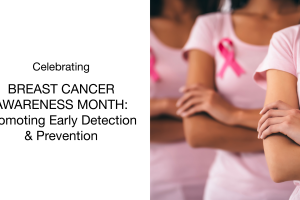
Three women in pink shirts with pink breast cancer ribbon pins stand with arms crossed, symbolizing support. Text on the left reads, Celebrating Breast Cancer Awareness Month: Promoting Early Detection & Prevention.

Catch It Early: Breast Cancer Awareness Month

Oct 1, 2024

October is Breast Cancer Awareness Month. During this time, we[...]

A composite image showing close-up portraits of four smiling women of diverse backgrounds, each representing different ethnicities and styles, arranged side by side.

Women’s Health

Jan 17, 2022

Your Health Is Important. Taking good care is the key[...]

A person drinks water from a clear bottle outdoors, with bright sunlight and blurred mountains in the background. Text reads: Let’s talk about HYDRATION & HEAT: Staying Cool and Safe in the Summer.

Hydration & Heat: Staying Cool and Safe in the Summer

Jul 1, 2024

As the weather gets hotter, it is super important to[...]

Categories

  • Capital Campaign
  • COVID-19
  • Erie Thrives
  • Feature Story
  • Health Insurance
  • Health Services
  • JFK Center
  • Locations
  • News
  • Parade Street
  • Patient Education
  • Peach Street
  • Providers
  • Uncategorized

Latest Posts

Flu Season Is Here: What to Know

October 5, 2026

Dr. Mary Lasher shares what patients should know about flu shots, prevention, treatment, common misconceptions, and staying healthy this flu season.

Healthy Aging & Fall Prevention

September 7, 2026

Small changes can help you age safely and confidently. Learn practical tips for staying active, preventing falls, and protecting your independence.

MHEDS Secures Federal Health Center Funding to Expand Access to Care

August 14, 2026

MHEDS Selected for Federal New Access Point Award, Advancing...

We Want to Care For You! Call (814) 453-6229, (814) 616-7730, or (814) 377-0377. Click Here to Email Us
Company Logo

Our Locations

  • Peach Street Location
  • 2928 Peach Street, Erie, PA 16508
  • (814) 453-6229
  • JFK Center Location
  • 2021 E 20th St, Erie, PA 16510
  • (814) 616-7730
  • Parade Street Location
  • 826 Parade Street, Erie PA 16503
  • (814) 377-0377
FQHC Logo

© 2026 — Multi-Cultural Health Evaluation Delivery System, Inc. All rights reserved. Website designed by Strategic Arc Limited. MHEDS is a site for COVID-19 testing. This project is in part supported by the Health Resources and Services Administration (HRSA) of the U.S. Department of Health and Human Services (HHS) as part of a financial assistance award totaling $146,777 with 20 percentage funded by HRSA/HHS and $603,223 and 80 percentage funded by nongovernment source(s). The contents are those of the author(s) and do not necessarily represent the official views of, nor an endorsement, by HRSA/HHS, or the U.S. Government.

  • Home