
Skip to content
  • Home
  • Services
  • Providers
  • Patients
    • Patient Education
    • Patient Resources
    • FAQ
  • About
    • About Us
    • News
    • Careers
  • Locations
    • Peach Street Office
    • John F. Kennedy Center
    • Parade Street Office
  • Contact Us
  • DONATE

Call Us Today! (814) 453-6229

Find Our Locations
Patient Portal
MHEDSMHEDS
MHEDSMHEDS
  • Home
  • Services
  • Providers
  • Patients
    • Patient Education
    • Patient Resources
    • FAQ
  • About
    • About Us
    • News
    • Careers
  • Locations
    • Peach Street Office
    • John F. Kennedy Center
    • Parade Street Office
  • Contact Us
  • DONATE

Hydration & Heat: Staying Cool and Safe in the Summer

July 1, 2024
A person drinks water from a clear bottle outdoors, with bright sunlight and blurred mountains in the background. Text reads: Let’s talk about HYDRATION & HEAT: Staying Cool and Safe in the Summer.

As the weather gets hotter, it is super important to drink enough water and to stay cool. Being hydrated helps you feel good and stay healthy, especially when it is warm outside. Let’s learn some tips for staying cool and hydrated.

Why Hydration Matters:

Water is super important for our bodies. It helps keep us healthy by controlling our temperature, carrying nutrients through our body, and getting rid of waste and toxins. When we don’t drink enough water, we can get dehydrated. That means our body does not have enough water, which can cause problems like feeling tired or dizzy.

Tips for Staying Hydrated:

1. Carry a water bottle with you everywhere and take regular sips throughout the day.

2. Eat water-rich foods like fruits and vegetables, which can contribute to your overall fluid intake.

3. Avoid sugary drinks and opt for water or electrolyte-rich beverages.

4. Monitor your urine color – clear or light yellow indicates good hydration.

Keeping Cool in the Heat:

1. Stay indoors or seek shade during the hottest parts of the day, typically between 10 am and 4 pm.

2. Wear lightweight and light-colored clothing to reflect sunlight and heat.

3. Use fans or air conditioning to cool down indoor spaces.

4. Take cool showers or baths to lower body temperature.

5. Avoid strenuous activities during peak heat hours and opt for early morning or evening exercise instead.

Recognizing Dehydration Symptoms:

It is important to know the signs of dehydration so you can take care of them quickly and avoid problems. Some common symptoms are:

– Thirst
– Dry or sticky mouth
– Fatigue
– Dizziness
– Dark yellow urine
– Headache
– Confusion
– Rapid heartbeat
– Sunken eyes

If you notice any of these signs, make sure to take a break, drink water or drink electrolytes, and get medical help if the symptoms are severe.

Your health is our top priority. Remember to stay hydrated and cool during the summer months to safeguard your well-being. By following the tips provided and being mindful of the signs of dehydration, you can enjoy a safe and comfortable summer season. Remember, prevention is key, so make sure to stay hydrated, keep cool, and listen to your body’s signals.

If you have any concerns about dehydration or heat-related illnesses, we encourage you to contact your Primary Care Physician to schedule an appointment for a check-up and personalized recommendations.

Want to get a head start on your health? Call MHEDS at 814-4536229 (Peach Street) or 814-616-7730 (John F. Kennedy Center).

Our health information does not replace the advice of a doctor. Please be advised that this information is made to assist the public in learning more about their health. MHEDS’ providers may not see and/or treat all topics found herein.

Sources:

  1. Mayo Clinic. (2021). Dehydration.
    https://www.mayoclinic.org/diseases-conditions/dehydration/symptoms-causes/syc-20354086
  2. Centers for Disease Control and Prevention. (2021). Extreme Heat.
    https://www.cdc.gov/disasters/extremeheat/index.html

You also might be interested in

Person with glasses and a topknot bun wearing a light blue collared shirt smiles in front of a plain gray background.

Ashlyn Hulse, DC

Jul 3, 2025

Specialties: Chiropractic Languages Spoken: English Education & Training: Professional Experience:[...]

A silver badge

MHEDS Honored with Silver Recognition for Excellence in Blood Pressure Control by AHA and AMA

Nov 8, 2023

The Multi-Cultural Health Evaluation Delivery System, Inc. (MHEDS), a beacon[...]

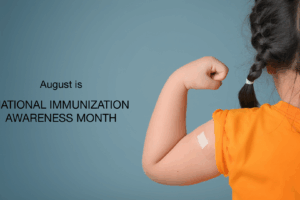
A young girl in an orange shirt shows her arm with a bandage, symbolizing vaccination. Text reads August is NATIONAL IMMUNIZATION AWARENESS MONTH on a blue background.

Back-to-School Immunizations: Protecting Families, One Shot at a Time

Aug 1, 2025

With the hustle and bustle of preparing for a new[...]

Categories

  • Capital Campaign
  • COVID-19
  • Erie Thrives
  • Feature Story
  • Health Insurance
  • Health Services
  • JFK Center
  • Locations
  • News
  • Parade Street
  • Patient Education
  • Peach Street
  • Providers
  • Uncategorized

Latest Posts

Flu Season Is Here: What to Know

October 5, 2026

Dr. Mary Lasher shares what patients should know about flu shots, prevention, treatment, common misconceptions, and staying healthy this flu season.

Healthy Aging & Fall Prevention

September 7, 2026

Small changes can help you age safely and confidently. Learn practical tips for staying active, preventing falls, and protecting your independence.

MHEDS Secures Federal Health Center Funding to Expand Access to Care

August 14, 2026

MHEDS Selected for Federal New Access Point Award, Advancing...

We Want to Care For You! Call (814) 453-6229, (814) 616-7730, or (814) 377-0377. Click Here to Email Us
Company Logo

Our Locations

  • Peach Street Location
  • 2928 Peach Street, Erie, PA 16508
  • (814) 453-6229
  • JFK Center Location
  • 2021 E 20th St, Erie, PA 16510
  • (814) 616-7730
  • Parade Street Location
  • 826 Parade Street, Erie PA 16503
  • (814) 377-0377
FQHC Logo

© 2026 — Multi-Cultural Health Evaluation Delivery System, Inc. All rights reserved. Website designed by Strategic Arc Limited. MHEDS is a site for COVID-19 testing. This project is in part supported by the Health Resources and Services Administration (HRSA) of the U.S. Department of Health and Human Services (HHS) as part of a financial assistance award totaling $146,777 with 20 percentage funded by HRSA/HHS and $603,223 and 80 percentage funded by nongovernment source(s). The contents are those of the author(s) and do not necessarily represent the official views of, nor an endorsement, by HRSA/HHS, or the U.S. Government.

  • Home