

Skip to content
  • Home
  • Services
  • Providers
  • Patients
    • Patient Education
    • Patient Resources
    • FAQ
  • About
    • About Us
    • News
    • Careers
  • Locations
    • Peach Street Office
    • John F. Kennedy Center
    • Parade Street Office
  • Contact Us
  • DONATE

Call Us Today! (814) 453-6229

Find Our Locations
Patient Portal
MHEDSMHEDS
MHEDSMHEDS
  • Home
  • Services
  • Providers
  • Patients
    • Patient Education
    • Patient Resources
    • FAQ
  • About
    • About Us
    • News
    • Careers
  • Locations
    • Peach Street Office
    • John F. Kennedy Center
    • Parade Street Office
  • Contact Us
  • DONATE

National Endometriosis Awareness Month

March 1, 2025
Yellow butterflies on a white background with the text March is National Endometriosis Awareness Month.

Every March, people around the world come together to raise awareness about a condition called endometriosis. This month is dedicated to helping people understand what endometriosis is, how it affects those who have it, and what we can do to support them.

What is Endometriosis?

Endometriosis is when tissue similar to the lining inside the uterus starts to grow outside of it. This tissue can grow on other organs like the ovaries, fallopian tubes, and even the intestines. When a person has their menstrual period, this tissue breaks down and bleeds, just like the lining inside the uterus. However, this blood has nowhere to go, which can cause pain, swelling, and scar tissue.

According to the Endometriosis Foundation of America, about 1 in 10 women and girls of reproductive age suffer from endometriosis. That’s roughly 200 million people worldwide.

Symptoms and Diagnosis

The most common symptom of endometriosis is pelvic pain, often associated with menstrual periods. But this pain can be much worse than normal period cramps. Other symptoms include pain during sex, pain with bowel movements or urination, heavy bleeding, and even infertility.

Diagnosing endometriosis can be tricky because its symptoms are similar to other conditions. Doctors usually start with a pelvic exam, followed by imaging tests like ultrasound or MRI. The most definitive way to diagnose it is through laparoscopy, a minor surgical procedure where a camera is inserted into the pelvis to look for endometrial tissue.

Treatment Options

There is no cure for endometriosis, but there are treatments that can help manage the symptoms. Pain relief medications, hormone therapy, and surgery are commonly used. Hormone therapy can help reduce or eliminate the pain by controlling the hormones that cause the tissue to grow. In severe cases, surgery might be necessary to remove as much endometrial tissue as possible.

Raising Awareness and Supporting Those Affected

National Endometriosis Awareness Month aims to educate people about this condition and encourage them to support those affected. Here are some ways you can help:

  • Educate Yourself and Others: Learn about endometriosis and share that knowledge with friends and family.
  • Be There for Those Affected: If you know someone with endometriosis, offer them your support. Sometimes, just listening can make a big difference.
  • Spread the Word: Use social media or community events to help others learn about endometriosis.
  • Support Healthy Habits: Encourage friends and family with endometriosis to take care of themselves and respect their need for rest.
  • Talk About It: The more people talk about endometriosis, the more others will understand and be supportive.

Endometriosis is a challenging condition that affects millions of people around the world. By raising awareness and supporting those who are affected, we can help improve their quality of life and move closer to finding a cure. This March, let’s all take the time to learn more about endometriosis and how we can make a difference.

Want to get a head start on your health? Call MHEDS at 814-453-6229 (Peach Street) or 814-616-7730 (John F. Kennedy Center).

Disclaimer

Our health information does not replace the advice of a doctor. Please be advised that this information is made available to assist the public in learning more about their health. MHEDS’ providers may not see and/or treat all topics found herein.

Sources

  1. Endometriosis Foundation of America. “About Endometriosis.”
    www.endofound.org/endometriosis
  2. Mayo Clinic. “Endometriosis.”
    www.mayoclinic.org/diseases-conditions/endometriosis/symptoms-causes/syc-20354656
  3. National Institute of Child Health and Human Development. “Endometriosis.” www.nichd.nih.gov/health/topics/endometriosis

You also might be interested in

A young girl with dark hair in pigtails holds a glass of water with both hands, looking directly at the camera with a neutral expression. She wears a light-colored, ruffled top and is in front of a plain background.

MHEDS Intensifies Efforts to Combat Lead Poisoning Among Erie’s Children and Refugees

Aug 8, 2024

Erie County has lead poisoning rates significantly higher than the[...]

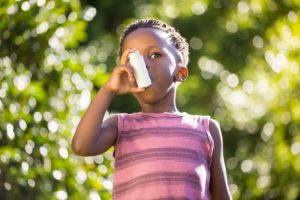
A young child in a pink striped sleeveless shirt uses an inhaler outdoors, with green foliage and sunlight blurred in the background.

What should I know about Asthma?

Jun 3, 2021

In 2015, approximately 2.2 million Hispanics/Latinos in the United States[...]

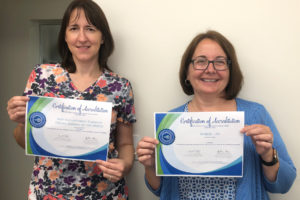
Two women smiling and holding certificates of accreditation in front of a plain white wall. Both women have glasses and shoulder-length brown hair. The certificates have blue and green borders.

Newly Accredited Diabetes Program and Doctor of Chiropractic Medicine Enhances Health Services to Multicultural Community

Nov 23, 2022

MHEDS achieves two significant milestones in holistic healthcare mission. For[...]

Categories

  • Capital Campaign
  • COVID-19
  • Erie Thrives
  • Feature Story
  • Health Insurance
  • Health Services
  • JFK Center
  • Locations
  • News
  • Parade Street
  • Patient Education
  • Peach Street
  • Providers
  • Uncategorized

Latest Posts

Flu Season Is Here: What to Know

October 5, 2026

Dr. Mary Lasher shares what patients should know about flu shots, prevention, treatment, common misconceptions, and staying healthy this flu season.

Healthy Aging & Fall Prevention

September 7, 2026

Small changes can help you age safely and confidently. Learn practical tips for staying active, preventing falls, and protecting your independence.

MHEDS Secures Federal Health Center Funding to Expand Access to Care

August 14, 2026

MHEDS Selected for Federal New Access Point Award, Advancing...

We Want to Care For You! Call (814) 453-6229, (814) 616-7730, or (814) 377-0377. Click Here to Email Us
Company Logo

Our Locations

  • Peach Street Location
  • 2928 Peach Street, Erie, PA 16508
  • (814) 453-6229
  • JFK Center Location
  • 2021 E 20th St, Erie, PA 16510
  • (814) 616-7730
  • Parade Street Location
  • 826 Parade Street, Erie PA 16503
  • (814) 377-0377
FQHC Logo

© 2026 — Multi-Cultural Health Evaluation Delivery System, Inc. All rights reserved. Website designed by Strategic Arc Limited. MHEDS is a site for COVID-19 testing. This project is in part supported by the Health Resources and Services Administration (HRSA) of the U.S. Department of Health and Human Services (HHS) as part of a financial assistance award totaling $146,777 with 20 percentage funded by HRSA/HHS and $603,223 and 80 percentage funded by nongovernment source(s). The contents are those of the author(s) and do not necessarily represent the official views of, nor an endorsement, by HRSA/HHS, or the U.S. Government.

  • Home